




72-hour survival kit: what it must contain according to EU guidelines
From flash floods to earthquakes, from large-scale power blackouts to new threats related to cyberattacks, the world we live in presents us with increasingly unpredictable challenges. Faced with the acceleration of natural, technological and geopolitical risks, the European Union now recommends that every citizen have a 72-hour emergency kit. This is not a question of giving in to paranoia, but of adopting a common-sense measure inspired by models already established in countries such as Sweden, Norway, Canada or Japan. In this guide, we will explain step by step what is in the ideal 72-hour survival kit, how to choose it and why smart preparation is the key to modern security.
What is the 72-hour emergency kit for
The idea of emergency equipment is a daily reality in many parts of the world. What has changed recently is European institutional awareness: the goal is to make families autonomous for the first three days, which is the estimated average time needed for organized relief to intervene or essential services to be restored. The EU guidelines on the 72-hour emergency kit were created to respond to three main scenarios:
Extreme weather events: Storms, heat waves or floods that can insulate entire neighborhoods.
Pressure on critical networks: Failures in electrical or water infrastructure that can last longer than expected.
Digital and geopolitical instability: risks of technological blackouts or sudden logistical shortages.
What does a 72-hour survival kit contain?
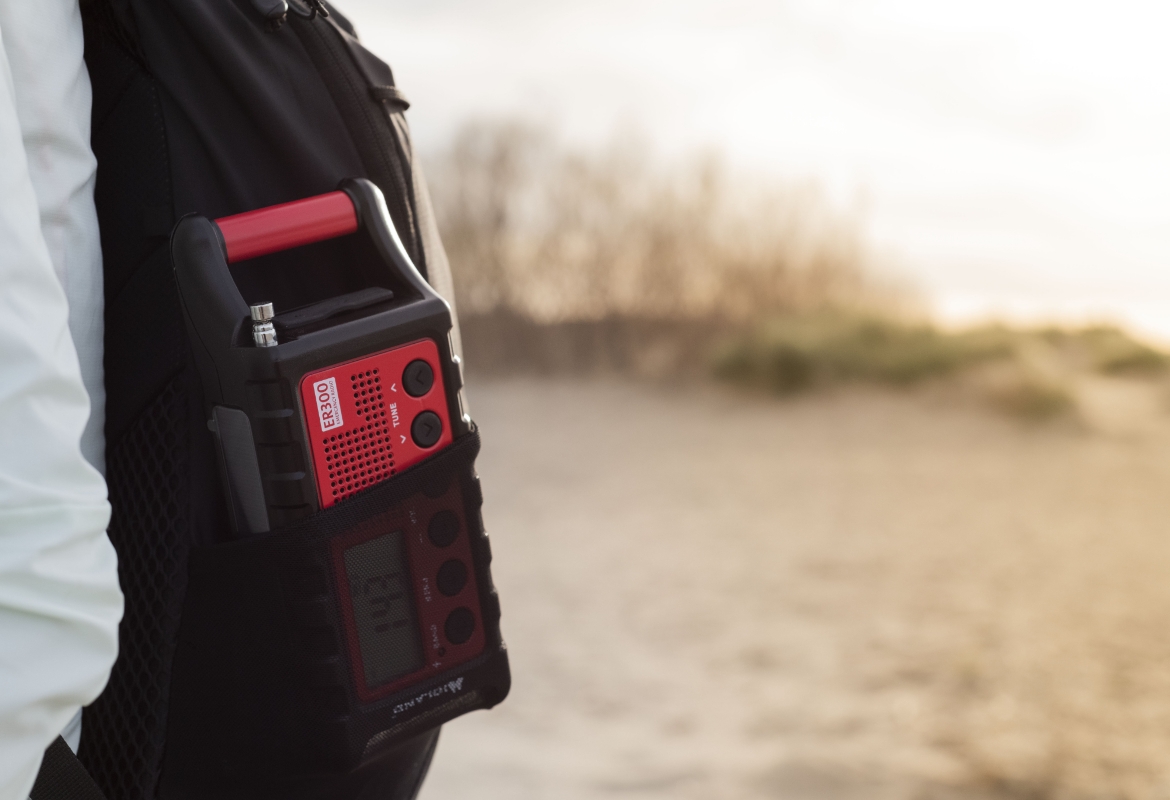
A backpack with everything you need and ready to use, often called a Go-Bag, must contain the essentials to meet physiological and safety needs. Here is in detail what a 72-hour survival kit must contain:
1. Vital Reserves:
Water: At least 3 liters per day per person.
Nutrition: Ready-to-eat foods, with a high caloric value and a long shelf life (protein bars, preserves, dried fruit).
Tools: A utility knife and a manual can opener.
2. Health, hygiene and thermal protection:
Medical kit: Personal medication, disinfectant, bandages and blister patches.
Protection from the cold: An isothermal blanket is a life-saving item that is essential for stabilizing body temperature when outdoors.
Hygiene: Wet wipes and sanitizing gel, also useful for saving water.
3. Energy and Communication:
Emergency radio: Allows you to receive information and updates even when the internet or mobile networks are not available.
Flashlight: essential to have an independent lighting source in the event of a blackout.
Power source: A power bank or device with alternative charging systems allows you to keep smartphones and other essential devices operational.
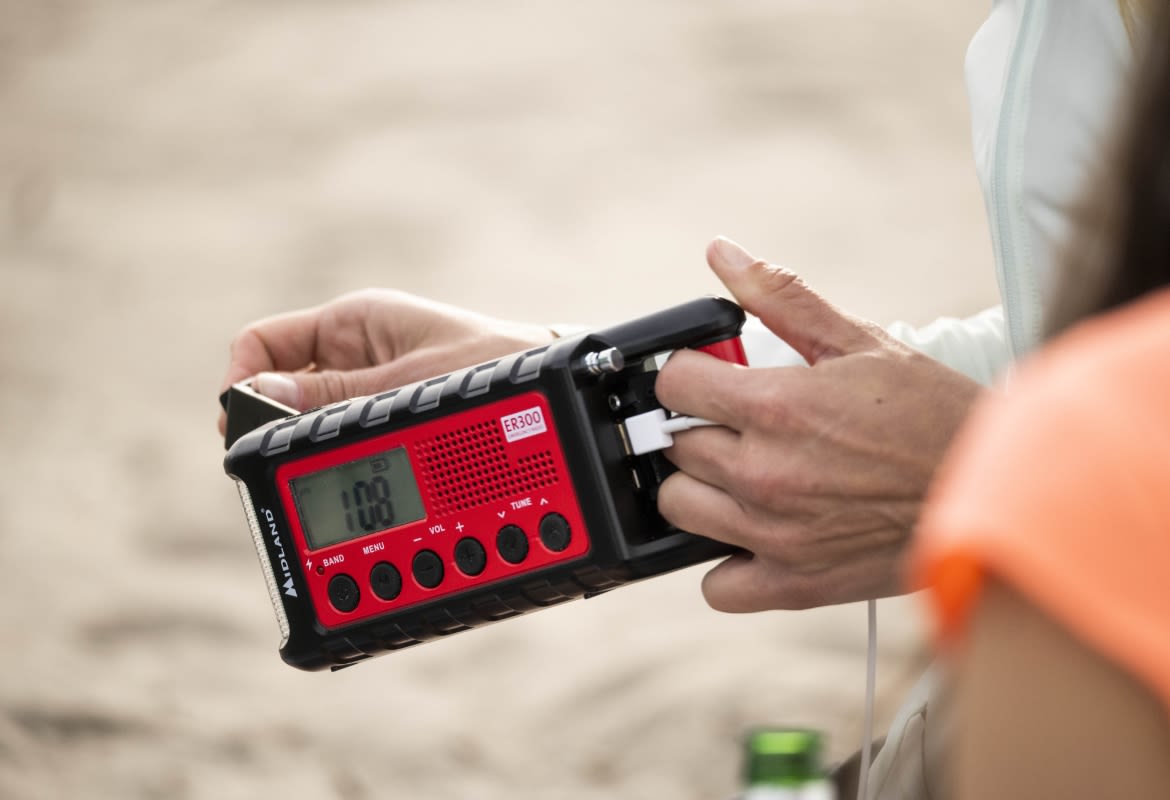
Energy and communication play a particularly important role when an emergency involves a prolonged power outage. Relying solely on your smartphone may not be enough when the battery runs out or communication networks are unavailable. In this context, the Midland ER300 PRO brings together several useful functions within an emergency kit in a single device: AM/FM radio, LED flashlight and rechargeable battery also via solar panel or manual dynamo. A solution that allows you to have light, information and a source of energy even when it is not possible to access the electricity grid, helping to manage energy autonomy even in the event of a prolonged blackout.
How to prepare the emergency backpack: practical tips
Knowing what's in a 72-hour survival kit is just the first step; organization makes the difference between utility and bulk:
Accessibility: The kit should be stored in a single sturdy backpack, near an exit, ready to be grabbed.
Weight: It should not exceed 15-20% of the body weight of the person carrying it.
Maintenance: Every six months, it is necessary to check the expiration dates of the food and the state of charge of the batteries.
Preparing for the unexpected does not mean living in fear, but acting with awareness. The EU guidelines invite us to take back a small but fundamental share of independence. Knowing exactly what is in the 72-hour survival kit and having it available turns a situation of potential panic into a manageable challenge, protecting the safety of one's family.
Do you want to make your home and backpack emergency-proof?