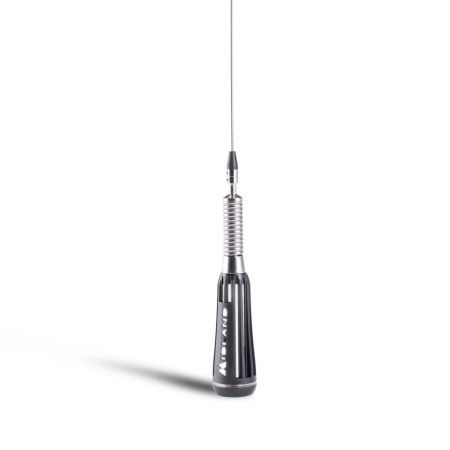




Which CB Antenna Should You Choose?

Have you ever been travelling in your camper or in the middle of an off-road adventure and realised that communication through your CB radio is disturbed or too weak? It is often tempting to blame the radio, but in most cases the real problem is the antenna. This component is not simply an aesthetic accessory, but the true heart of transmission: it is the device that transforms the electrical signal into a voice that travels through the air.
Without the right antenna setup, even the most expensive radio can see its performance cut in half and may even risk being damaged over time. Understanding how to choose a CB antenna therefore means investing in the quality and safety of your journeys. In this article, we will analyse the practical and logistical criteria for identifying exactly which CB antenna to choose, ensuring maximum range and clear reception in every situation.
CB Antenna Length and Where to Position It
The first essential factor to consider is the length of the CB antenna, a parameter that can affect range and reception quality on the CB band (27 MHz). Although technology makes it possible to artificially shorten antenna whips using loading coils, the basic rule still applies: with the same build quality, a longer antenna provides greater range and clearer reception.
However, length is not the only factor. Performance also depends heavily on what is known as the "ground plane". The antenna uses the metal surface of the vehicle roof as a reflector to radiate the signal. For this reason, the ideal position is always in the centre of the roof. Before purchasing and installing an antenna, it is useful to fully understand what a CB radio is and what it is used for in different contexts, in order to understand your actual communication needs.
Which CB Antenna Should You Choose Based on Your Intended Use?
There is no "perfect" antenna for everyone, but there is a perfect antenna for your type of vehicle and the routes you travel. To understand which CB antenna to choose, start by identifying your main priority:
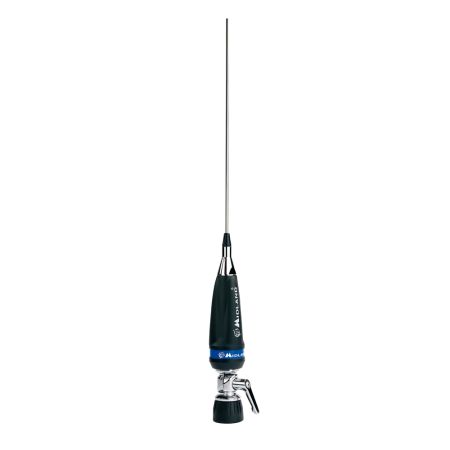
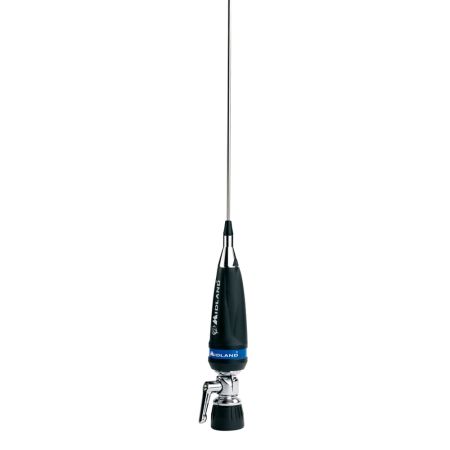
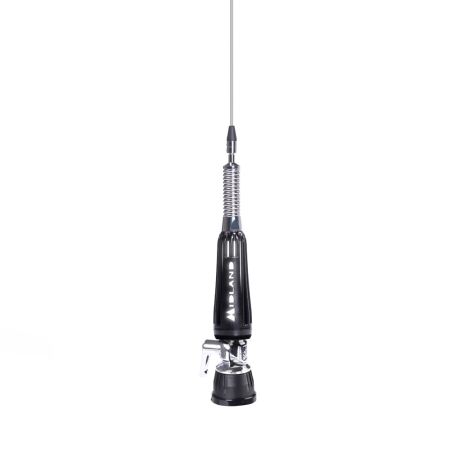
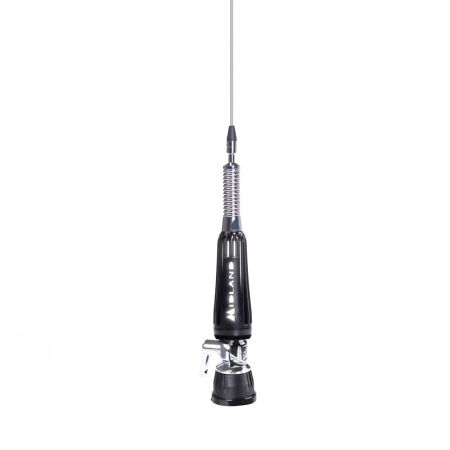
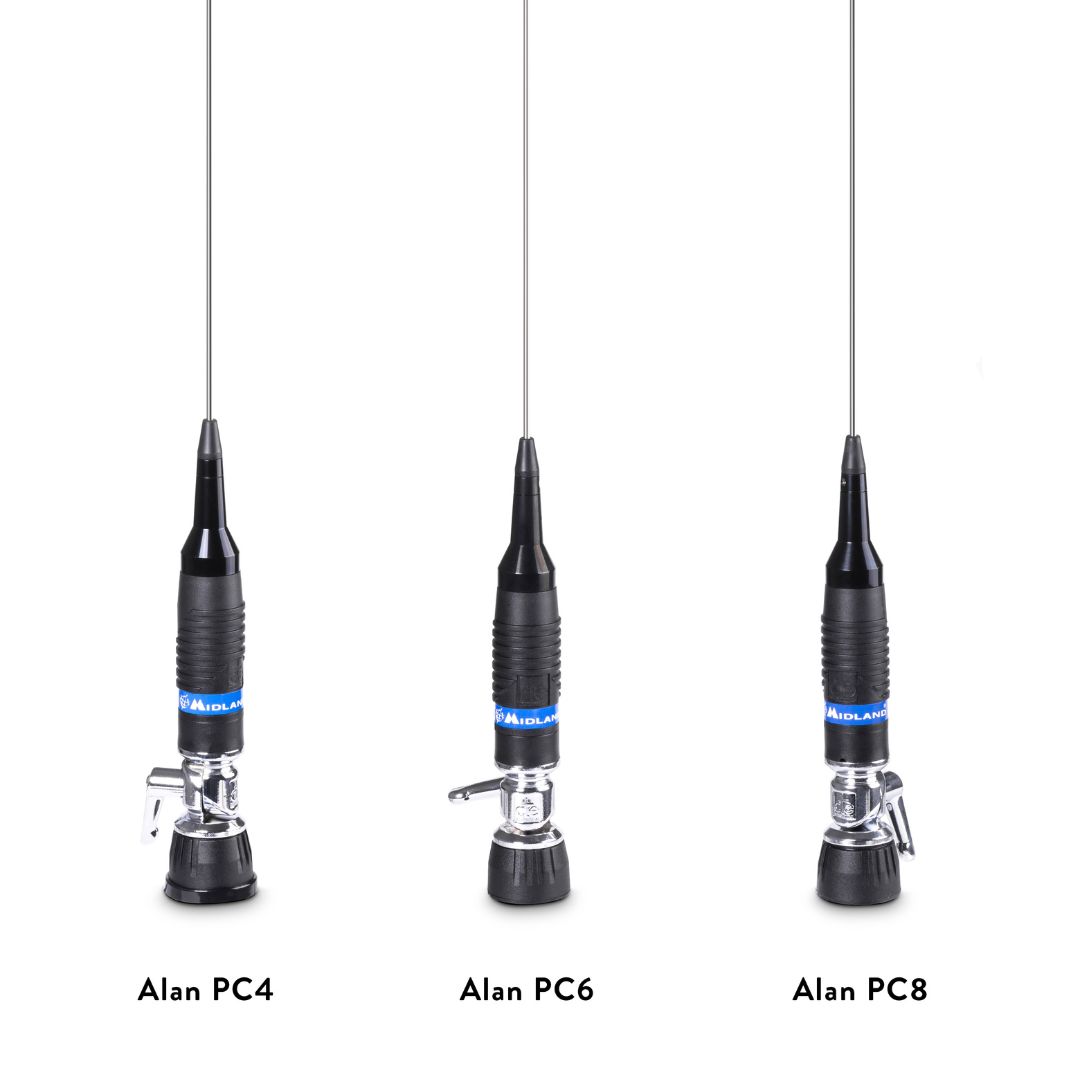
Strength and flexibility: If you enjoy off-road driving or travel along roads with low branches and obstacles, you need a whip that can bend without breaking or becoming deformed. In this case, antennas made of spring steel are ideal. Excellent examples include Midland's PC Series, such as the Alan PC 6, as well as the Funk Series, which has been a benchmark for over 30 years in terms of durability and shock absorption while maintaining tuning.
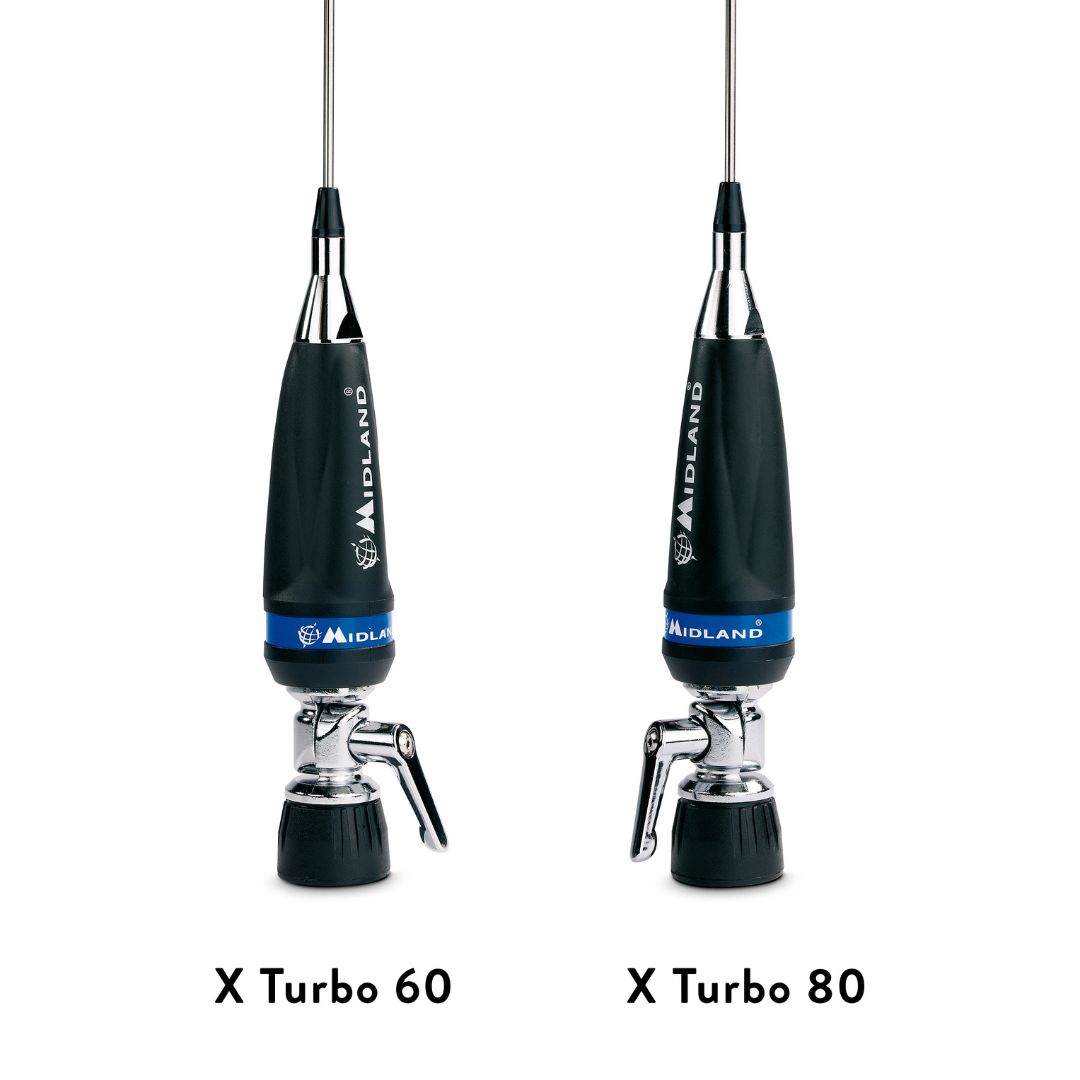
Maximum range: If you are a truck driver who needs to cover long distances on motorways, the priority is coil efficiency and the ability to handle high power levels. In this scenario, models such as the X-Turbo Series represent the top of the range. Thanks to high-quality components, these antennas provide superior signal stability even in challenging terrain.
Safety and visual feedback: For those looking for an innovative installation that provides immediate confirmation that the radio is working correctly, there are solutions featuring a light guide. Antennas in the Lux Series, such as the 1500-S, illuminate automatically during transmission. This technical feature combines aesthetics and functionality, allowing you to see at a glance whether the signal is being radiated correctly.
What Is the Best CB Antenna?
Technically, the best CB antenna is the one that achieves the best SWR (Standing Wave Ratio) on your vehicle after being properly tuned. Even the world's highest-performance antenna, if it is not correctly tuned by shortening or lengthening the whip, will deliver disappointing performance and could cause the radio's power transistors to overheat.
Choosing the right antenna is an investment in the quality of your journeys. Whether you are looking for maximum range or maximum durability, Midland has developed a specific solution for every challenge on the road.
Ready to make your radio communication perfect?