



Does Dashcam have legal value?

In recent years, dashcams have spread rapidly among motorists in Italy: small cameras installed on the windshield that record what happens on the road, while driving or even when parked. Behind this growing popularity, however, there remain frequent doubts: is the dashcam in the car legal? Do the images really have value in court or with insurance companies? And can they be used to appeal against a fine? Let's see what the Italian legislation says.
Is it legal to use a dash cam in your car?
Yes, installing and using a dashcam in your car is completely legal in Italy. There is no specific rule in the Italian Traffic Code governing these devices, nor is any official approval required: police officers cannot therefore contest their presence during a standard roadside check. The legitimacy of the dashcam is based on two main aspects:
Road safety: Article 141 of the Italian Traffic Code requires drivers to always maintain full control of the vehicle, while Article 169 regulates the arrangement of objects on board. In practice, the dashcam must be positioned in such a way as not to obstruct the driver's view or restrict their movements: incorrect installation can result in an administrative fine.
Privacy: Filming public roads does not constitute a crime of unlawful interference in private life (Art. 615-bis of the Italian Criminal Code), because this crime concerns only places of private residence. On the data processing front, the Italian Data Protection Authority (Garante della Privacy) has clarified that the use of the dashcam for personal purposes, such as protection in the event of an accident, does not require the consent of the persons filmed. On the other hand, the public dissemination of videos showing recognizable faces or license plates remains strictly prohibited, unless consent is given by the interested parties or upon request from a judicial authority.
Can dash cam footage be used as legal evidence?
Here comes the part that generates the most confusion, and which is worth clarifying precisely. Dashcams are not comparable to insurance "black boxes", regulated by Art. 145-bis of the Private Insurance Code, which have the value of legally binding evidence unless proven otherwise. The images recorded by a dashcam, on the other hand, fall into the category of "mechanical reproductions" governed by Art. 2712 of the Italian Civil Code. This means, in practice, that:
The images can be used as documentary evidence in civil lawsuits or insurance claims;
Their probative value is not automatic: if the opposing party does not dispute the authenticity of the video, the footage is considered valid evidence; if, on the other hand, its genuineness or integrity are questioned, it will be the judge who will freely assess its effectiveness.
In other words, the dashcam has legal value, but "conditional": the more the file is intact, unmodified and with a clearly visible date and time, the more difficult it will be to challenge it in court.
Using dash cam footage to appeal a fine
One of the most requested uses by motorists is precisely this: using dashcam images to appeal against a fine or to clarify the dynamics of an accident. A few points to keep in mind:
The images can be attached to the appeal presented to the Prefect (Prefetto) or the Justice of the Peace (Giudice di Pace) against a traffic ticket, as "atypical evidence": they do not automatically bind the decision, but the authority evaluates them on a case-by-case basis;
At the time of the check, the officer issuing the ticket is not obliged to consider the video shown by the motorist; the video takes on relevance especially in the subsequent phase, that of the appeal and the possible judgment;
To be really useful, the file must remain as close as possible to the original: avoid excessive cutting, editing or compression, and keep the recording with the date and time embedded directly into the video, not added later;
The same principle applies in the event of an accident: images can help clarify responsibilities—for example, in a rear-end collision—but are still subject to assessment by the judge or the insurance company.
How to use a dash cam correctly
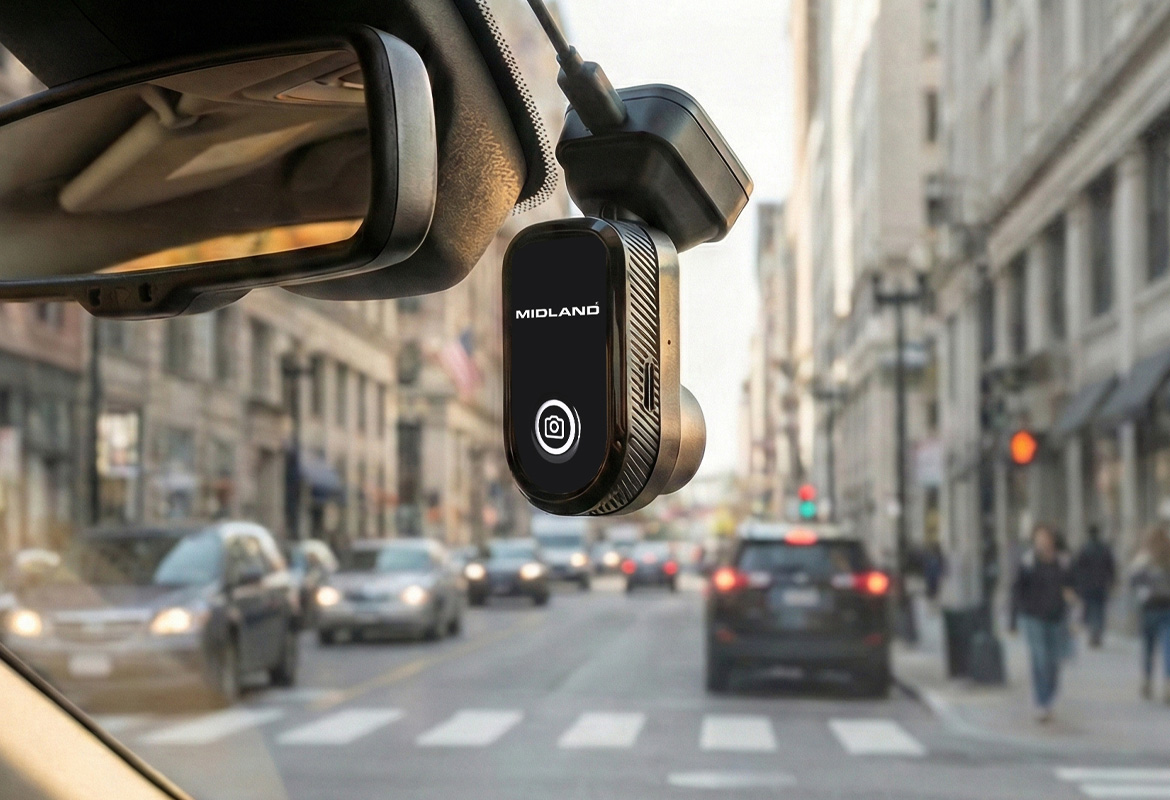
To really exploit the potential of the dashcam, both in terms of security and legal protection, some good habits make the difference:
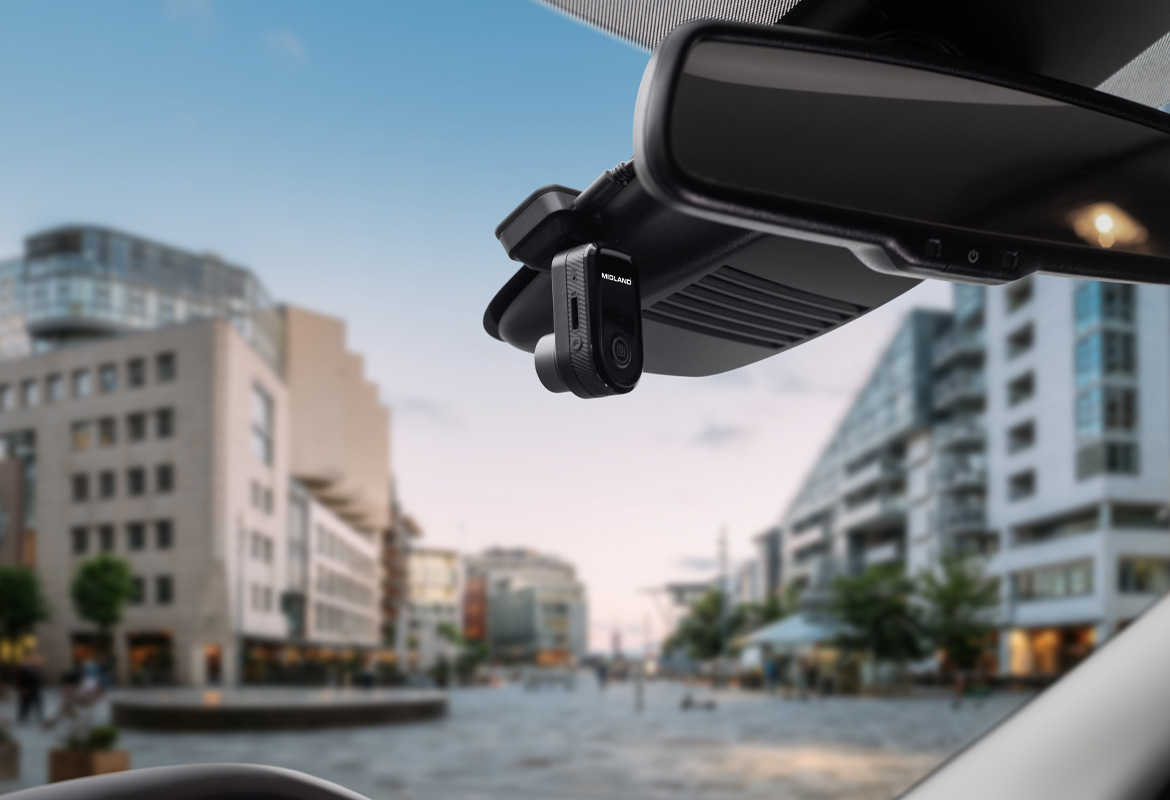
Position the camera without obstructing the view, preferably behind the rearview mirror;
Choose a model with loop recording, so your memory doesn't get saturated and you don't miss the most recent footage;
Check that the device correctly integrates the date and time into the video file: it is a detail that weighs heavily in the event of a dispute;
Keep the original files securely and do not share them publicly: the indiscriminate dissemination of images with recognizable people or license plates is not allowed;
If you are often transporting passengers, it is a good idea to inform them of the presence of the camera on board.
The dashcam in the car is a legal and increasingly popular tool, capable of offering objective documentation in the event of accidents, insurance claims, or disputes. However, its probative value is not absolute: it depends on the correctness of the installation, the integrity of the file and whether or not the counterparty disputes its authenticity. Used with awareness, and by choosing a model designed for this purpose, the dashcam can become a valuable ally for the safety and legal protection of the driver.