



Walkie Talkies: Everything You Need to Know About Radio Communication

In an era where we are used to constant smartphone coverage, there are moments when cellular technology reaches its limits: an isolated mountain trail, an underground construction site, or a crowded event where networks are overloaded. In these situations, the walkie talkie proves its superiority. It is not just a communication tool, but a safety and coordination device that does not rely on phone towers, subscriptions, or external infrastructure. To choose the right device and use it effectively, it is essential to understand what walkie talkies are and the principles that still make them the standard for professionals and outdoor enthusiasts.
Why Are They Called Walkie Talkies
The origin of the term is as simple as it is fascinating, and the answer lies in the tactical revolution these devices introduced during World War II. Before their invention, field radio communications were heavy and required fixed stations or bulky backpacks managed by several people. With the introduction of the first handheld portable models, soldiers could finally move independently. This is why they are called walkie talkies: the name literally describes this new ability to walk and talk at the same time. Since then, the term has become universal, identifying any portable transceiver capable of providing instant communication on the move and becoming a symbol of efficiency and speed.
How a Walkie Talkie Works
Understanding how a walkie talkie works helps you manage it better in the field. These devices are technically transceivers, meaning they contain both a radio transmitter and a receiver. The process begins when we speak into the microphone, which converts the vibrations of our voice into electrical impulses. These signals are processed by the internal circuits and sent to the antenna, which transmits them through the air as electromagnetic waves. On the receiving side, the antenna capture these waves and converts them back into electrical impulses, which are amplified and transformed into sound by the speaker. The key to walkie talkie operation lies in the half-duplex mode. Unlike a phone call where both people can speak simultaneously, radio communication is one-directional: when you transmit you cannot receive, and vice versa. By pressing the PTT (Push-to-Talk) button you occupy the channel to transmit; once released, the device returns to receive mode. In Europe, most license-free models operate on the PMR446 (Personal Mobile Radio) band, a portion of the electromagnetic spectrum that allows clear communication without requiring government licenses. Zero-cost communication: The main advantage of PMR446 technology is that it operates on free frequencies throughout Europe. Unlike smartphones, there are no monthly fees, contracts, or call charges. Once the device is purchased, communication is completely free and unlimited, wherever you are.
What Walkie Talkies Are Used For
Today these devices are useful in a wide range of situations, each with different technical needs. If we ask what walkie talkies are used for in the digital age, the answer lies in their ability to manage instant “one-to-many” communication that is private and free. This function is essential for coordinating a rescue team in remote areas, managing warehouse logistics, or simply keeping constant contact between hikers during a demanding trek. The wide variety of use cases has led to the development of specific technologies, making it important to understand which walkie talkie to choose. Some models are designed to resist water, impacts, and dust for extreme environments, while sectors such as hospitality and events tend to prefer lightweight and discreet devices.
How to Use a Walkie Talkie
While the design may vary from one model to another, there are universal rules and essential steps for communicating effectively. Here is a detailed overview to help you master your device:
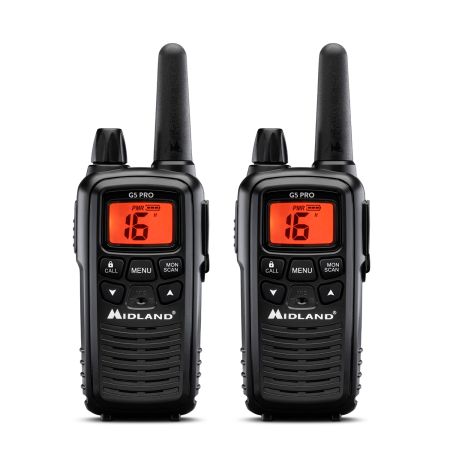
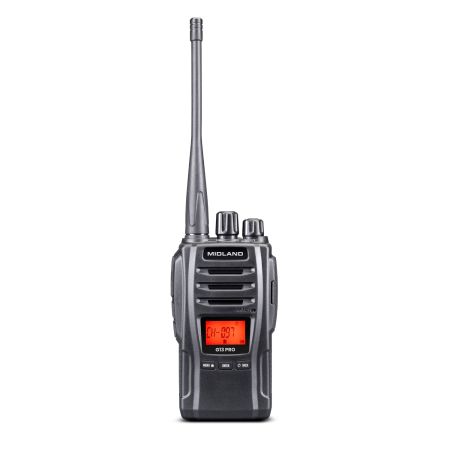
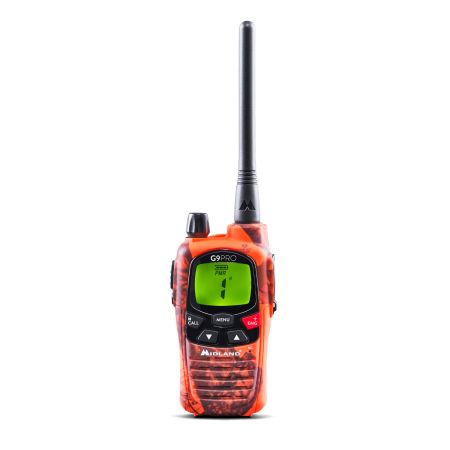
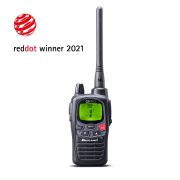
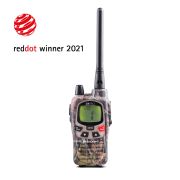
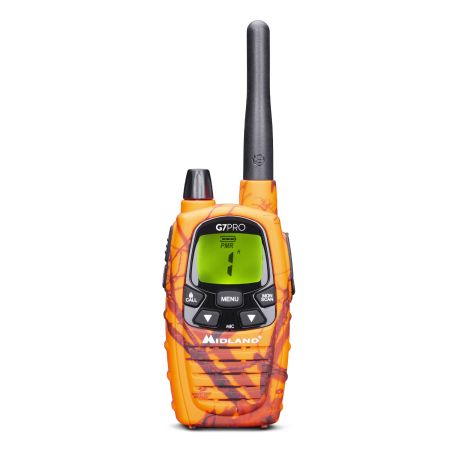
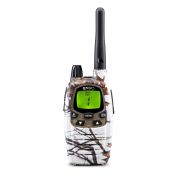
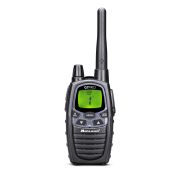
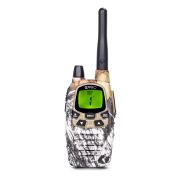
Main buttons: First, become familiar with the interface. Key elements include the power knob (often combined with the volume control), the display for monitoring channels, and the PTT (Push-to-Talk) side button. Advanced models, including walkie talkies for mountain use, may also include a Call button to send an alert tone and a Menu button to access advanced settings.
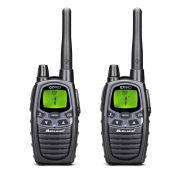
Setting up communication: To communicate between radios, they must all be tuned to the same channel. In crowded areas you may experience interference. Sub-tones (CTCSS or DCS) help filter communication so you only hear messages from your group, creating a kind of private line on a public frequency.
PTT technique: A common mistake is speaking too soon. Press the PTT button, wait about half a second for the circuits to activate, then start speaking. This prevents clipping, which cuts off the first word.
Radio terminology: Clarity is essential. Since you cannot talk over each other, common terms include: Over — I have finished speaking, waiting for your reply; Received — message understood; Over and out — end of conversation.
Position and antenna: To maximize range, hold the radio vertically. The antenna transmits the signal 360 degrees perpendicular to its position; tilting it too much can reduce the range significantly.
Why Choose a Walkie Talkie
Now that you understand how walkie talkies work, it’s easy to see why they remain the preferred tool in many professional and recreational sectors. Choosing this technology means prioritizing immediacy and independence. The speed of the Push-to-Talk system ensures instant contact, while the ability to communicate with an entire group simultaneously makes coordination smoother and safer. Quality hardware factors such as long battery life, clear audio in noisy environments, and structural resistance to impacts and weather ensure communication remains reliable exactly when it is needed.
Discover our walkie talkies and find the perfect model for you.