



CB Radio Frequencies: What You Need to Know About General and Specific Use

For anyone involved in radio communications, whether as a hobby or for work, understanding the structure of the "citizens' band" is essential. We often simply use the radio without looking into what happens behind the scenes, but understanding what frequencies CB radios use and how the channels are structured can significantly improve the quality of your transmissions and ensure that you operate in full compliance with the law.
The world of CB (Citizen's Band) has undergone significant regulatory changes in recent years, making access to these frequencies even easier. However, in addition to the classic 40 channels intended for leisure use, there are also CB frequencies in Italy reserved for specific and professional purposes. In this guide, we will explore the complete frequency map and the benefits of dedicated channels.
What frequencies do CB radios use?
CB radio operates on the 27 MHz band (specifically between 26.965 MHz and 27.405 MHz). This portion of the electromagnetic spectrum is divided into 40 standard channels, each with a specific frequency.
Unlike other types of transmission, CB is designed for short-range communications. Since 2020, following the Simplification Decree, Italy has abolished the requirement to submit a declaration and pay the annual €12 fee for standard equipment. This means that today, the 40 CB channels are free to use at no cost for all citizens.
CB channels and frequencies: the main standard channels
The CB band is divided into 40 standard channels, each associated with a specific frequency. Over time, some of these have become reference points for particular types of communication:
Channel 9 (27.065 MHz): Historically the emergency channel. It is reserved for emergency calls and road safety.
Channel 19 (27.185 MHz): The preferred channel for transport operators and truck drivers to exchange traffic information.
Channel 11 (27.085 MHz): Often used as a calling channel to establish initial contact before switching to other frequencies.
CB Frequencies in Italy: Specific and Professional Uses
Not everyone knows that the National Frequency Allocation Plan reserves certain portions of the citizens' band for professional and organizational activities. Although most users rely on the 40 standard channels, some companies and emergency operators have the right to access dedicated CB channels and frequencies, which are less crowded and therefore subject to less interference. There are in fact many sectors where CB radio is useful, from road safety to agricultural, industrial, nautical and sports activities. Here are the activities that can make use of these special frequencies:
1. Safety, Emergency Services and Traffic
These frequencies are intended for those involved in forest monitoring, traffic control, night-time security or roadside assistance.
Frequencies: 26.875 MHz and 26.885 MHz.
Corresponding channels: Channels 26 and 27 on many professional devices.
2. Agricultural, Industrial and Commercial Businesses
Ideal for coordinating activities on large construction sites, farms or during events and shows.
Frequencies: 26.895 MHz and 26.905 MHz.
Corresponding channels: Channels 28 and 29.
3. Nautical Activities and Maritime Safety
Used for communications between small boats and nautical organizations, or for internal communications on larger vessels.
Frequencies: 26.915 MHz, 26.925 MHz and 26.935 MHz.
Corresponding channels: Channels 30, 31 and 32.
4. Sports and Competitive Activities
Reserved for organizations that need to coordinate sporting events, competitions or training sessions.
Frequencies: 26.945 MHz and 26.955 MHz.
Corresponding channels: Channels 33 and 34.
How to Legally Access Specific Frequencies?
While use of the 40 standard channels is free, using frequencies for specific purposes requires a dedicated administrative procedure for companies and organizations. To use these channels, a notification must be sent to the Territorial Inspectorate of the Ministry of Enterprises and Made in Italy (formerly MISE) for the relevant region. Unlike free amateur use, these professional purposes require an annual fee, payable by January 31, based on the number of devices:
€30 for up to 10 devices;
€100 for 11 to 100 devices;
€200 for more than 100 devices.
The financial benefit is clear: at a relatively low cost, a company can ensure a private, robust communication network that operates independently of cellular networks.
Choosing the Right Device for Specific Frequencies
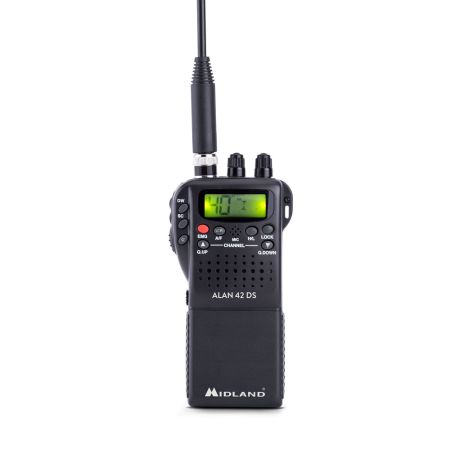
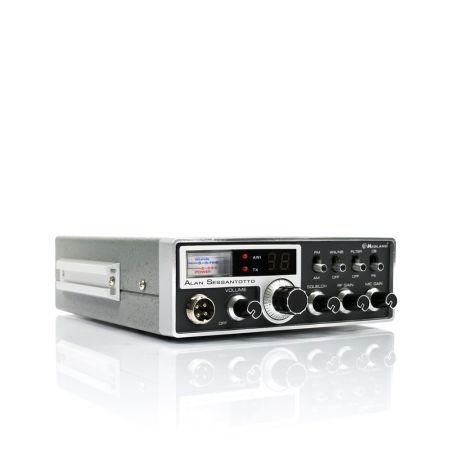
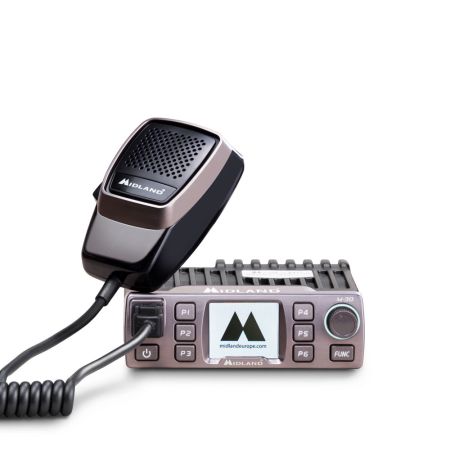
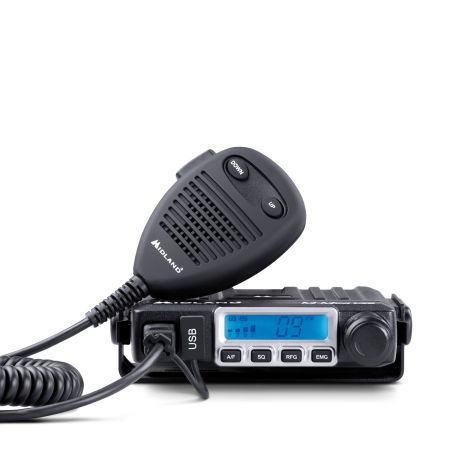
To operate on these particular channels, it is necessary to use "multi-standard" or professional CB radios that allow precise tuning to these frequencies. Historic and modern devices such as the Alan 42 DS or the compact M-Mini USB are designed to provide maximum frequency stability, ensuring clear communications even in noisy working environments or remote areas. CB frequencies offer opportunities that go far beyond simply listening to traffic. Whether you are an outdoor enthusiast or a business owner, understanding the distinction between general-use and specific-use channels allows you to choose the most efficient and reliable communication tool for your needs.
Want to make your communications more professional?